The Architects Behind the Circuit: How Regional Bookers and Radio Programmers Build Touring Routes From Nothing
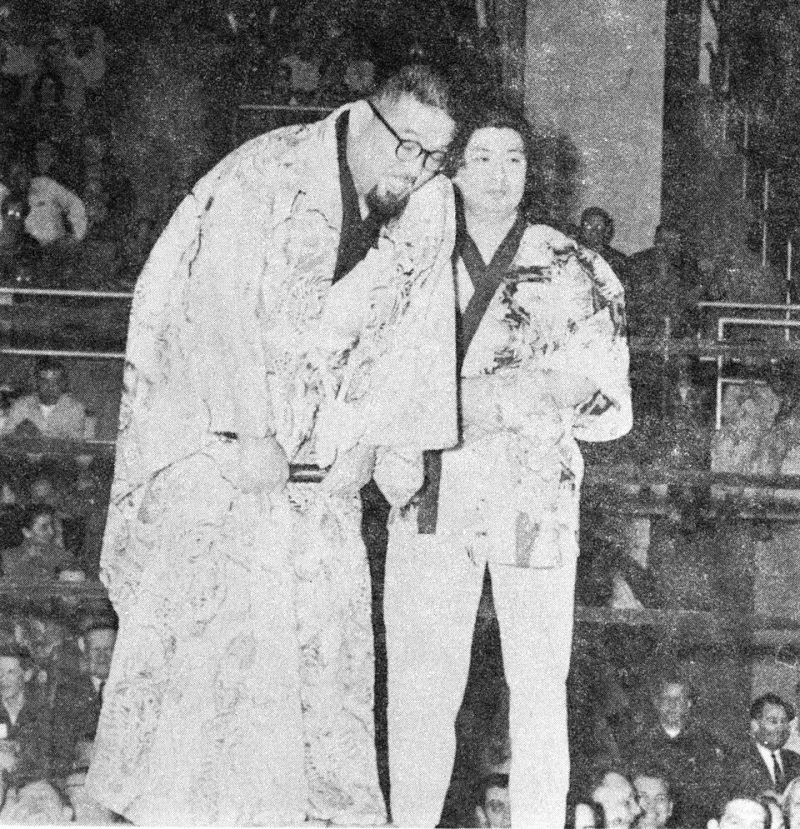
Photo: Published by Greater Anchorage, Inc., parent organization of the festival. Photographer uncredited., Public domain, via Wikimedia Commons
A sustainable touring route doesn't appear out of thin air. It gets built — slowly, painstakingly, through years of phone calls, handshake deals, favors owed and favors repaid, and an almost stubborn belief that the music matters enough to justify the effort. For every artist who loads up a van and heads out on the road, there's usually someone behind the scenes who figured out which roads to take in the first place.
In the world of Americana, folk, and roots music, that someone is often not a major booking agency or a corporate promoter. It's a college radio programmer in Missoula who's been spinning regional artists for fifteen years. It's a festival organizer in the Mississippi Delta who started with a folding table and a borrowed PA system. It's a regional booker in Appalachia who knows every small-town venue within two hundred miles and has the cell numbers of their owners saved in a beat-up flip phone.
These are the architects of the invisible touring network — and without them, a whole lot of American music simply wouldn't get made in front of living audiences.
Starting With a Blank Map
The first challenge for anyone trying to build a touring route through underserved regions isn't finding artists. It's finding places for those artists to play.
Major touring companies work from established data: ticket sales histories, population density, existing venue infrastructure. That approach makes economic sense, but it also means entire swaths of the country get systematically ignored. Rural communities, college towns off the interstate, mid-sized cities without a dedicated roots music scene — these places fall through the cracks of the mainstream routing model.
Independent bookers approach the same map differently. They start with relationships, not spreadsheets. "The first thing I do with a new region is find out who's already doing something there," explains one regional promoter who has spent the last decade building touring circuits through the rural Midwest. "There's almost always somebody — a library that does a monthly concert series, a bar owner who used to be in a band, a church that hosts a summer folk festival. You just have to know how to find them."
That kind of ground-level research takes time that most commercial promoters won't invest. But it's what turns a blank map into a workable circuit.
The College Radio Factor
College radio stations have been a cornerstone of independent music for decades, and in the Americana and folk world, their influence runs especially deep. Unlike commercial stations locked into tight playlists, college programmers have the freedom — and often the genuine enthusiasm — to dig into regional artists, emerging acts, and music that doesn't fit a mainstream format.
More importantly, they have reach into communities that might not otherwise have any exposure to touring Americana artists. A DJ at a small public university in rural New Mexico might be the only person in a fifty-mile radius actively championing folk and roots music on air. When a touring artist passes through the region, that DJ is often the first call a booker makes.
The relationship between college radio and regional touring has always been symbiotic. Radio programmers get exclusive interviews, early sessions, and the credibility that comes from being plugged into the touring circuit. Bookers and artists get airplay, local promotion, and — critically — a built-in audience for the show. In smaller markets, a college DJ announcing a local performance on air can move tickets in a way that no social media campaign can match.
"There are stations where I know if they play someone three times in a week, the show sells out," says one independent booker who works primarily in the Mountain West. "That's not an exaggeration. Those relationships are worth more than any advertising budget I'd ever have."
The Art of the Anchor Show
One of the core strategies independent promoters use to build sustainable routes is the concept of the anchor show: a single well-established event — usually a festival, a recurring concert series, or a high-profile venue — that justifies the cost of routing an artist through an otherwise difficult region.
The logic is straightforward. If a touring musician can count on a guaranteed payday at a respected festival in, say, western North Carolina, it becomes economically viable to book smaller shows in surrounding towns before or after the main event. The anchor show covers the baseline costs; the surrounding dates become gravy. Over time, some of those smaller shows grow into anchors of their own, and the circuit expands organically.
Building an anchor show from scratch is its own art form. It requires not just booking talent but cultivating an audience, securing sponsors, navigating local permits, and convincing a community that this event is worth showing up for year after year. Many of the most beloved regional Americana festivals started as someone's wild idea and a lot of volunteer labor. The ones that stuck around did so because their organizers treated the community relationship as seriously as the music itself.
Relationship Capital and the Long Game
If there's a single resource that independent bookers and promoters value above all else, it's trust. The touring circuit they build runs on relationship capital — the accumulated goodwill of years spent dealing fairly with artists, venues, and communities.
In practical terms, that means honoring commitments even when it costs money, being honest with artists about what a market can realistically support, and treating small venues with the same professionalism you'd bring to a major festival. It means remembering that the bar owner in a town of 4,000 people is taking a real financial risk by hosting a touring act, and acting accordingly.
This isn't just ethics — it's strategy. The independent touring world is small and the memory is long. A promoter who burns a venue owner in rural Georgia will hear about it two years later when they're trying to book a show in Alabama. Conversely, a booker with a reputation for straight dealing can open doors that no amount of money or industry connections could unlock.
Keeping the Routes Alive
The circuits these promoters, bookers, and radio programmers build are never truly finished. Venues close. Festivals lose funding. Radio stations change formats. The work of maintaining a viable touring route is ongoing, requiring constant attention and occasional reinvention.
What keeps people doing it, by their own account, is the music — and the communities that gather around it. Every time a touring artist plays a town that hasn't had a live roots music show in years, something happens in that room that's hard to quantify but easy to feel. People reconnect with a tradition. A younger listener hears something for the first time that changes their relationship with American music. The road and the song meet in a way they were always meant to.
Somebody had to build that road. Quietly, persistently, and mostly without credit, a whole network of dedicated people is out there doing exactly that.