Your Living Room Is the New Venue: How Intimate DIY Tours Are Rewriting Americana's Rulebook
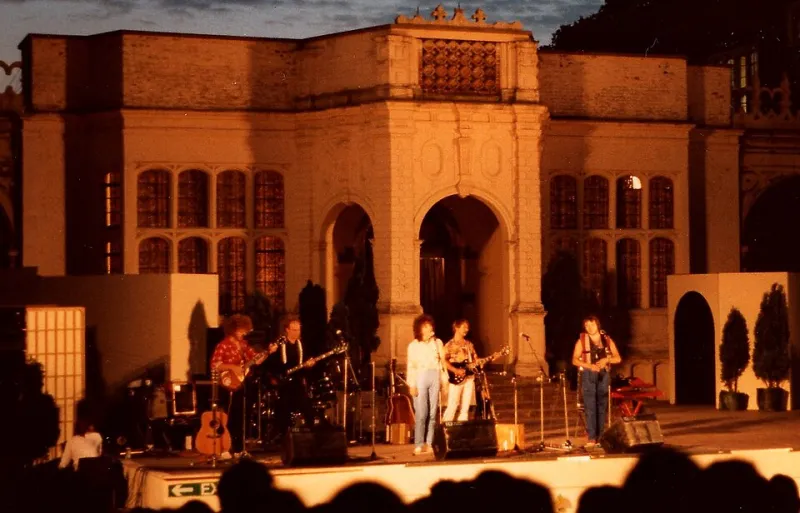
Photo: Tony 1212, CC BY-SA 4.0, via Wikimedia Commons
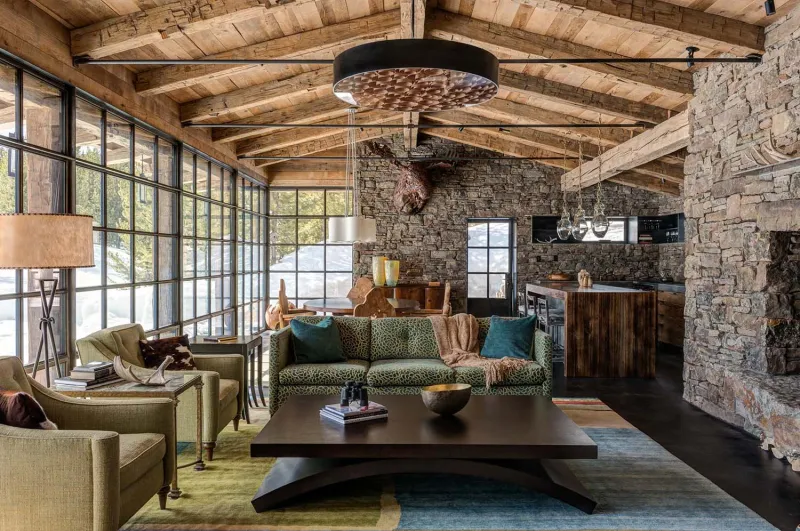
Maybe you've seen the handwritten sign taped to a telephone pole in your neighborhood. Or the Facebook event with the blurry photo and the note that says "capacity limited, bring a dish to share." You weren't sure if it was a church potluck or a neighborhood meeting, and then you showed up and a woman with a banjo was sitting in the corner of someone's living room, and forty people were absolutely rapt.
Welcome to the new frontier of Americana touring. It smells like someone's pot roast and it sounds incredible.
A Different Kind of Stage
The house concert model isn't entirely new — folk musicians have been passing hats in living rooms since before anyone called it folk music. But what's happening right now feels different in scale and intention. Artists who could theoretically play traditional venues are choosing not to. Audiences who could buy tickets to a theater show are seeking out something smaller. The economics, the culture, and the technology have converged in a way that's turning private homes, backyard fire pits, and community gardens into legitimate stops on a touring musician's calendar.
Tamsin Reeve, a Nashville-based singer-songwriter who has been running what she calls her "Front Porch Circuit" for the past four years, describes the shift with refreshing directness. "I played the clubs. I know what it's like to perform to twelve people in a room that holds two hundred, with a bartender running a blender in the background. This is just better. Not just for me — for the audience too."
Reeve's touring model is built around a network of "hosts" — fans who volunteer their homes or outdoor spaces, handle local promotion, and collect a suggested donation that goes directly to the artist. In a good weekend, she'll play three or four of these shows within a driving radius of a couple hundred miles, sleep on a host's couch, and leave with more money — and more genuine connection — than a mid-week club gig would have provided.
Why Audiences Are Hungry for It
There's something almost countercultural about the appeal of the house concert in 2024, which is a funny thing to say about sitting in someone's den. But in an era of algorithmic playlists and stadium spectacles, the intimacy is the point. You can see the musician's fingers on the frets. You can ask a question between songs. The artist might tell you the real story behind a lyric — not the polished interview version, but the actual version, the one they haven't figured out how to package yet.
"People are craving realness," says Darnell Hutchins, a roots guitarist and organizer of a backyard festival series in Asheville, North Carolina, that has grown from a handful of neighbors to a seasonal event drawing over two hundred people to a rotating cast of host properties. "They've been to the big festivals. They've done the VIP wristband thing. And then they come to something like this and they remember why they loved music in the first place."
Hutchins's series, called Porch & Pasture, operates on a community-supported model. Local businesses sponsor the lemonade and the sound equipment. Artists are paid a flat fee plus a percentage of the donation bucket. Nobody gets rich, but nobody loses money either, which in the independent music world counts as a genuine success.
Making It Work on the Road
The logistics of a DIY house concert tour are, to put it gently, a project. Unlike booking a club date — where the venue handles promotion, ticketing, and the PA system — the artist or their manager has to build every element from scratch, or rely on hosts to do it. Communication across a network of volunteer organizers requires patience and a very organized spreadsheet.
But the tools available now make it dramatically more manageable than it would have been even ten years ago. Platforms like Concerts in Your Home and Sofar Sounds have created formalized infrastructure for exactly this kind of booking. Social media allows artists to identify and cultivate potential hosts in cities they've never visited. A simple email list, maintained with genuine care, can be more valuable than a booking agent for this model.
"I've got hosts in thirty-seven cities now," says Reeve. "Some of them I met at shows. Some of them reached out after hearing a song online. But every single one of them, I know their name and I know something real about their life. Try doing that with a venue booker."
Redefining 'Making It'
The house concert and backyard festival movement is quietly challenging some long-held assumptions about what success looks like in Americana music. The traditional markers — a label deal, a slot at a major festival, a booking at a famous listening room — still matter to plenty of artists. But a growing number of musicians are defining their goals differently.
"I'm not trying to get to the Grand Ole Opry," says Hutchins, though he says it without any bitterness. "I'm trying to build something sustainable that lets me make music on my own terms for the rest of my life. That looks like a network of people who care about what I'm doing, spread across the country, who'll show up for me in their living room. That's not a consolation prize. That's the whole dream."
For the audiences packing into those living rooms — sitting cross-legged on the floor, passing a jar of sweet tea, listening to a song that was written three weeks ago — it doesn't feel like a lesser version of a concert. It feels like the original version. The one that existed before the ticket fees and the merchandise tables and the sound guy who's got another show at midnight.
The road, it turns out, doesn't always have to be a highway. Sometimes it ends at somebody's front door, with a handwritten sign that says: Come on in. Show starts at seven.