Dust, Pages, and Forgotten Verses: How Touring Roots Musicians Are Raiding America's Small-Town Archives
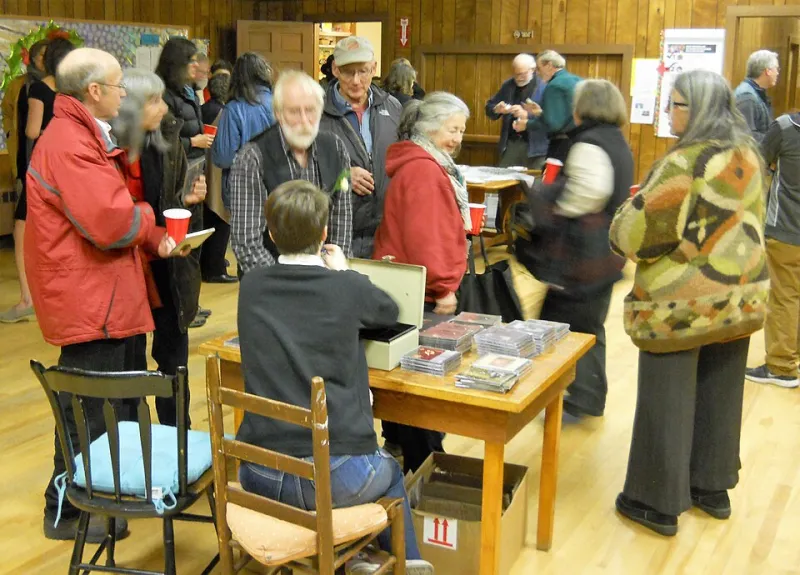
Before the soundcheck. Before the load-in. Before any of that, there's a different kind of gig happening in small towns across the country — one that takes place under fluorescent lights, at a folding table, with a pair of white cotton archivist gloves and a folder that hasn't been opened in forty years.
A quiet but genuinely fascinating trend is running through the Americana and folk touring world right now. Artists are showing up to their tour stops a day early — not to rest their voices or scout the venue's green room — but to dig through local historical societies, county libraries, and community heritage centers in search of songs nobody's heard since the people who wrote them were still alive.
Call it musical archaeology. Call it obsessive curiosity. Whatever you call it, the results are showing up on stages in ways that feel electric.
The Impulse Behind the Digging
It probably starts, for most of these artists, with a feeling that something's missing. Touring the same routes, playing the same rooms, you start to sense that the towns you're rolling through have way more story than the two or three songs about them that already exist. And you'd be right.
America's regional songwriting traditions run incredibly deep — Appalachian ballads, Gulf Coast work songs, Great Plains fiddle tunes, Ozark murder ballads with no known author, shape-note hymns from church communities that dissolved a century ago. A staggering amount of this material never got recorded. Some of it got written down. A lot of it is sitting in a box somewhere, waiting.
Musicians who've caught this bug describe it less like research and more like a pull. You hear one local historian mention an old mill song from the 1890s, and suddenly you can't leave town without finding it. That's the hook.
What's Actually in Those Archives
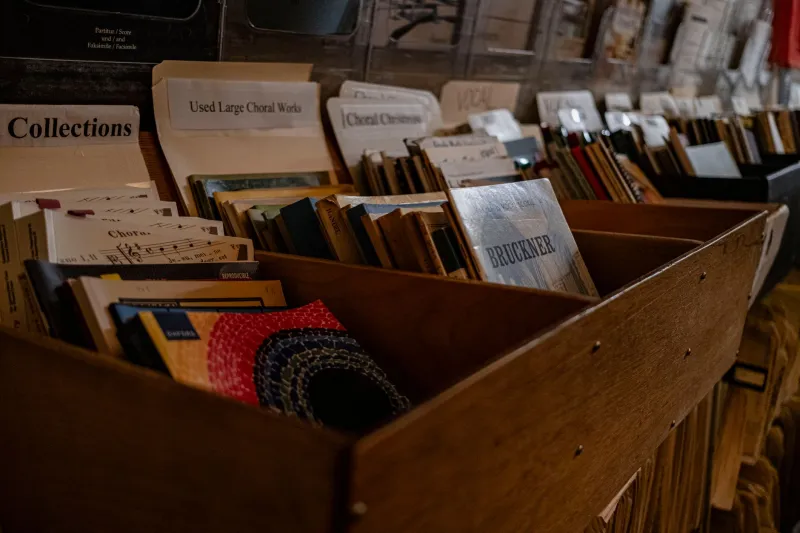
The range of what touring artists have found in local collections is genuinely remarkable. We're talking handwritten lyric sheets tucked inside church ledgers. Acetate recordings donated by the families of amateur musicians who never performed outside their county. Broadside ballads — those old printed single-sheet songs that served as the social media of their era — stuffed between town council minutes from the 1910s. Oral history transcripts where an elderly resident just starts singing a song in the middle of an interview, and the archivist had the presence of mind to keep the recorder running.
Small-town librarians and historical society volunteers are often the unsung heroes of this whole operation. Many of them have been quietly cataloging this material for decades, hoping someone with the musical chops to do something with it would eventually walk through the door. When a touring musician shows up asking the right questions, the response is frequently enthusiastic — sometimes overwhelmingly so.
One thing these artists consistently mention: the stuff that never got commercially released is often the most raw and emotionally specific. There's no polish on it. A song written by a coal miner's wife in western Kentucky in 1923 about a specific cave-in at a specific mine isn't trying to be universally relatable. It's trying to tell the truth about one terrible week. And somehow that specificity makes it land harder, not softer.
From the Archive to the Stage
The process of taking a discovered song from a dusty folder to a live performance is its own kind of craft. Sometimes you're working from a complete lyric sheet with chord notations. More often, you've got a fragment — a verse and a chorus, or just a melody hummed into a tape recorder by someone who half-remembered it. The musician becomes part composer, part restorer, filling in gaps while trying to stay true to what the original spirit of the thing seems to have been.
Some artists are transparent about this process with their audiences, and that transparency turns out to be part of the magic. Walking onstage and saying, "I found this song in a filing cabinet at the county historical society in Harlan, Kentucky, and here's what I think the second verse might have sounded like" — that framing transforms the performance into a shared act of remembrance. The crowd isn't just listening to a song. They're participating in a small act of cultural recovery.
For artists playing towns where the song originated, the effect can be staggering. There's a particular kind of silence that falls over a room when people recognize something they didn't know they'd lost.
The Ripple Effect on an Artist's Direction
What's striking is how often musicians describe a single archival find reshaping not just one setlist but their entire artistic trajectory. You go into a county library looking for local color to add to a show, and you come out three hours later holding a folder that contains the organizing principle for your next record.
The discovery process has a way of asking hard questions. Why did this song disappear? What does it mean that certain voices — women, Black communities, immigrant workers, Indigenous songwriters — are either absent from these archives or buried so deep they require serious excavation? Several artists working in this space have talked about the archival research becoming a kind of reckoning with whose stories got preserved and whose got lost, and letting that reckoning inform the music they make going forward.
That's not a small thing. That's the road handing you something you didn't know you needed.
A Living Tradition in Real Time
What makes this trend feel genuinely alive rather than purely academic is that it's happening on tour — in motion, embedded in the actual experience of moving through America. These aren't scholars in a university archive. They're musicians with a van to load and a show to play tonight, carving out time between miles to do the kind of listening that most of us have forgotten to do.
The Ramblin' Roads spirit has always been about what happens when the road and the song find each other. Turns out sometimes that meeting happens not on the highway but at a folding table in a back room, under a flickering overhead light, with a handwritten page that's been waiting a very long time for someone to pick it up and play it.
If you're heading to a roots music show anytime soon and the artist mentions pulling something out of a local archive — lean in. You might be hearing a song for only the second time in a hundred years.