The Quiet Champions: How Small-Town Civic Leaders Kept Roots Music Breathing
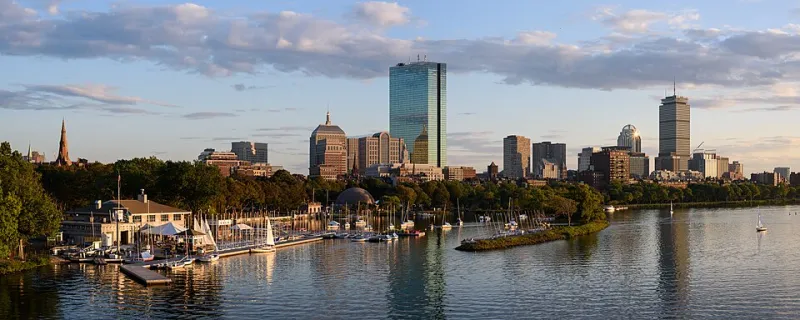
Photo: King of Hearts, CC BY-SA 4.0, via Wikimedia Commons
There's a version of Americana history that gets told over and over — the one with the legendary producers, the Newport Folk Festival, the troubadours hitchhiking through the South with nothing but a guitar and a dream. It's a good story. But it leaves out a whole category of people who made the music possible in the first place: the civic leaders of small American towns who decided, sometimes at real political cost, that roots music was worth fighting for.
These weren't music industry insiders. They were mayors who ran hardware stores on the side, town council members who coached little league on weekends, and county commissioners who'd never been to a recording studio in their lives. But they understood something the industry often forgot — that folk and roots music wasn't just entertainment. It was infrastructure. It was identity. And if nobody stepped up to protect it, it was going to disappear.
The Mayor Who Wouldn't Let the Festival Die
Take the story of Harlan County, Kentucky, where the annual music gathering that had been running since the early 1970s nearly collapsed in the mid-1990s when its founding organization ran out of money. The county judge-executive at the time — the equivalent of a mayor in Kentucky's governmental structure — reportedly redirected a modest chunk of discretionary civic funds to keep the event on the calendar for one more year. That one year turned into a decade-long revival.
"Nobody thought it was a big deal at the time," one longtime attendee recalled in a conversation at last year's regional folk showcase in Lexington. "He just didn't want to be the guy who let it die on his watch. But that decision changed everything."
This kind of quiet intervention shows up again and again when you start digging into the backstories of surviving rural music traditions. It rarely makes headlines. It doesn't generate press releases. But it keeps the lights on.
Saving the Stage, Saving the Sound
In Clifftop, West Virginia — home to the Appalachian String Band Music Festival, one of the most beloved old-time music gatherings in the country — local and state officials have periodically been called on to navigate the complicated relationship between the festival, Babcock State Park, and the needs of a surrounding community that depends on the economic activity the event generates. The festival draws thousands of musicians and fans each summer to camp, jam, and compete in a setting that feels genuinely timeless.
What keeps it working isn't magic. It's negotiation, paperwork, and the willingness of people in local government to treat a music festival like the cultural asset it actually is rather than a logistical headache.
Similar dynamics have played out in towns across the Ozarks, the Texas Hill Country, and the Piedmont region of the Carolinas. In many of these places, historic music halls and community gathering spots survived not because of grants from national arts foundations — though those help when they come — but because a local official decided the building was worth saving and found a way to make it happen inside the constraints of a small municipal budget.
When Nobody Else Would Show Up
Musicians who came up playing the rural touring circuit in the 1980s and '90s have their own stories about civic support showing up in unexpected ways. A permit granted without a fight. A fire code variance that let a beloved old dance hall keep operating. A town that agreed to close off a main street for a free outdoor concert when a regional act needed a homecoming show.
"There was a city councilwoman in a little town in the Texas Panhandle who came to every single show we played there for about six years," one veteran Americana touring musician told us. "She never asked for anything. She just showed up, brought her friends, and made sure the venue owners knew the town was behind them. That kind of support — you can't put a dollar amount on it."
It's a reminder that civic engagement with culture doesn't always look like a formal arts policy or a government grant. Sometimes it looks like a public official using their social capital to signal that something matters.
The Funding Nobody Talks About
Beyond the informal support, there's also a real — if modest — financial infrastructure that flows through local government into roots music events. Community Development Block Grants, tourism promotion budgets, and state arts council pass-through funding have all been used by creative local officials to support festivals, venue preservation, and even artist residencies in rural areas.
In some states, like North Carolina and Tennessee, there are specific programs designed to support traditional music as both a cultural and economic development tool. But the effectiveness of those programs often depends entirely on whether someone at the local level is paying attention and willing to do the paperwork.
The towns that have held onto their musical identity — that still have a working bluegrass festival, a functioning old-time music venue, a community that gathers around live roots music — almost always have a version of this story in their recent past. Someone in a position of civic authority decided it was worth the effort.
What Gets Lost When Nobody Steps Up
The flip side of these success stories is harder to tell but just as important. For every small town where a civic leader stepped in, there are several where no one did — and the festival folded, the venue closed, the local music tradition faded into memory.
Those losses are real, and they compound over time. When a community loses its gathering place for roots music, it loses more than entertainment. It loses a mechanism for passing down songs, stories, and ways of playing that can't be recovered once they're gone.
That's the stakes that the quiet champions of small-town Americana have been playing for, often without much recognition. They weren't saving a concert series. They were preserving a living tradition.
The Road Runs Through City Hall
At Ramblin' Roads Fest, we spend a lot of time celebrating the musicians, the venues, and the fans who keep Americana alive. But every now and then, it's worth pulling over and acknowledging the people who made the road navigable in the first place.
The next time you're at a small-town roots music festival — eating bad funnel cake, listening to a fiddle player who's been doing this for forty years, watching families spread out blankets in a park that's been hosting music since before anyone can remember — take a second to think about who fought to keep that going. Somewhere in the background, there's a good chance a local official made a decision that nobody noticed at the time, and everything you're experiencing exists because of it.
That's a story worth telling. And it's one that's still being written, in city halls and county courthouses all across America's musical heartland.