Fill 'Er Up and Point Me to the Music: The Gas Station Workers Who Keep Americana Moving
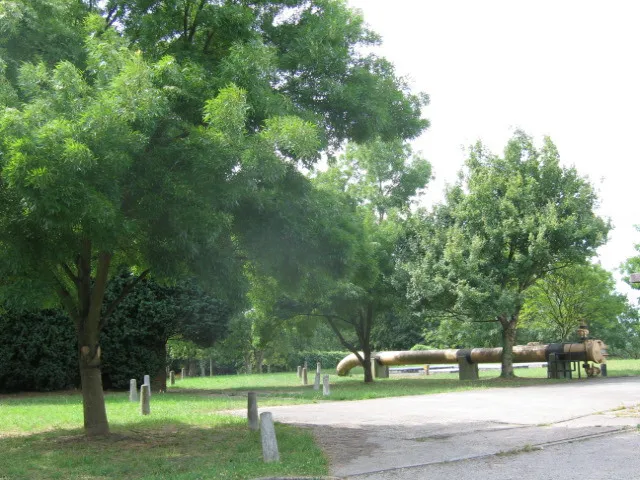
Photo: Stephen Craven, CC BY-SA 2.0, via Wikimedia Commons
Somewhere between the beef jerky display and the lottery ticket scratch-offs, a conversation happens that no algorithm could ever replicate. A road-weary guitarist rolls into a BP off a two-lane highway in rural Tennessee, asks the woman behind the counter if there's anywhere in town to play tonight, and walks out twenty minutes later with a hand-drawn map, a free cup of coffee, and a gig at a church hall three miles down the road. No booking agent. No social media post. Just one person who knows her town and another who needs to be in it.
This kind of exchange — invisible, informal, and utterly essential — is happening all over rural America. And the people making it happen aren't music industry insiders. They're convenience store clerks, gas station attendants, and the folks who run the pumps on the edge of nowhere. They are, without fanfare or recognition, some of the most important connectors in the Americana touring ecosystem.
The Counter as Crossroads
It's worth thinking about what a rural gas station actually is. In a small town that might not have a dedicated music venue, a functioning record store, or even a reliable cell signal, the convenience store is often the social hub. Locals stop in every single day. Travelers pass through constantly. The person behind the register sees both worlds collide, over and over again, shift after shift.
That position creates something rare: a living, breathing index of local knowledge. Gas station workers often know which bar still lets bands set up on weekends, which church hosts a monthly bluegrass night, which farmer throws an end-of-harvest bonfire with a full acoustic lineup. They know because they hear about it from regulars, because they've been going to these things their whole lives, because this is their community.
For touring musicians driving unfamiliar roads, that kind of hyper-local intelligence is worth more than any touring guide app. "I've gotten better tips from people working the register than from anyone in my contacts list," says one folk singer-songwriter who tours the South and Midwest regularly. "There's this woman at a Sunoco outside of Corbin, Kentucky, who basically told me about three shows I didn't know I was going to play. She knew everybody."
More Than Directions
The role these workers play goes beyond pointing musicians toward the nearest open-mic night. Some of them actively shape the musical culture passing through their doors.
In small towns where the radio dial skews toward mainstream country or top-40, convenience stores can become unexpected listening posts. Some workers keep their own playlists running — regional artists, old-time string bands, local gospel — and travelers who linger long enough get an earful of something they wouldn't have found on Spotify. It's an informal curation that exposes people to music they didn't know they were looking for.
There are also the workers who've started building informal connections between artists themselves. A clerk in rural Arkansas might mention to a passing banjo player that another touring musician came through last week asking similar questions. Suddenly two artists who've never met are texting each other about splitting a show. The gas station becomes a message board, a matchmaking service, a community bulletin board for people on the move.
Impromptu Stages and Parking Lot Performances
Every now and then, the connection goes a step further. Parking lots, it turns out, make surprisingly decent venues.
The flatbed of a truck, the concrete apron in front of the pumps, the picnic table bolted to the side of the building — these spaces have hosted more impromptu performances than most people realize. A musician kills time waiting for their van to get patched up at the attached garage, pulls out a guitar, and before long there's a small crowd gathered. The manager doesn't shoo anyone away. The clerk steps outside for a listen. A few locals who happened to stop in for gas end up staying for forty-five minutes.
These aren't shows anyone can find on a setlist archive. But for the people who were there, they're often the most memorable performances of the year. There's something about the unplanned nature of it — the lack of a stage, a ticket, a formal beginning or end — that strips a performance down to its most essential element. It's just music, in a place where music wasn't supposed to be.
Preserving What the Industry Overlooks
Here's the thing about the Americana touring circuit: a lot of it runs through places that major labels and big booking agencies have written off entirely. Small towns, rural counties, communities that don't fit neatly into a tour routing spreadsheet. But these places have deep musical roots — they're often where the traditions came from in the first place — and they still have audiences who care deeply about live music.
The gas station workers who connect musicians with those audiences aren't doing it as part of any organized effort. They're doing it because it's natural, because they love their communities, because they've always known that music matters here even if nobody in Nashville or Austin is paying attention.
That's a kind of cultural stewardship that doesn't come with a title or a paycheck bump. But it's real, and it's consequential. Every time a touring musician finds a gig they didn't know existed, every time a regional artist gets a new listener because someone behind a register recommended them, the web of American roots music gets a little more resilient.
The Next Time You Stop for Gas
Next time you're on a long drive through unfamiliar territory and you pull off to fill the tank, try striking up a conversation. Ask what's going on musically around here. Ask if there's anywhere to hear live music tonight. You might get a blank look. But you might also get a story, a recommendation, a hand-drawn map, and a cup of coffee.
The road has always had its unofficial keepers. Turns out some of them wear name tags and work the morning shift.